
Sex Offender Checks in Rapides Parish
The official starting point is the Louisiana State Sex Offender and Child Predator Registry, maintained by Louisiana State Police. Its entry page routes the public to the OffenderWatch interface. Choose Rapides Parish there instead of treating an unfiltered map as a local list. The state service offers an offender-area search, email-alert enrollment, and an unsubscribe channel. Access begins with acceptance of the registry conditions, and the vendor interface requires browser JavaScript and cookies.
A registry listing is separate from an arrest log, a court docket, or a statewide rap sheet. Louisiana law requires registration through the sheriff and may also require registration with municipal police for a person living in an incorporated place. Start with a name or area accepted by the live form. Then compare the photo, physical traits, address, offense, tier, and status. Confirm any fact that affects a safety choice with the agency that supplied it.
The state registry entry screen displays the conditions that govern a Rapides Parish sex offender search.
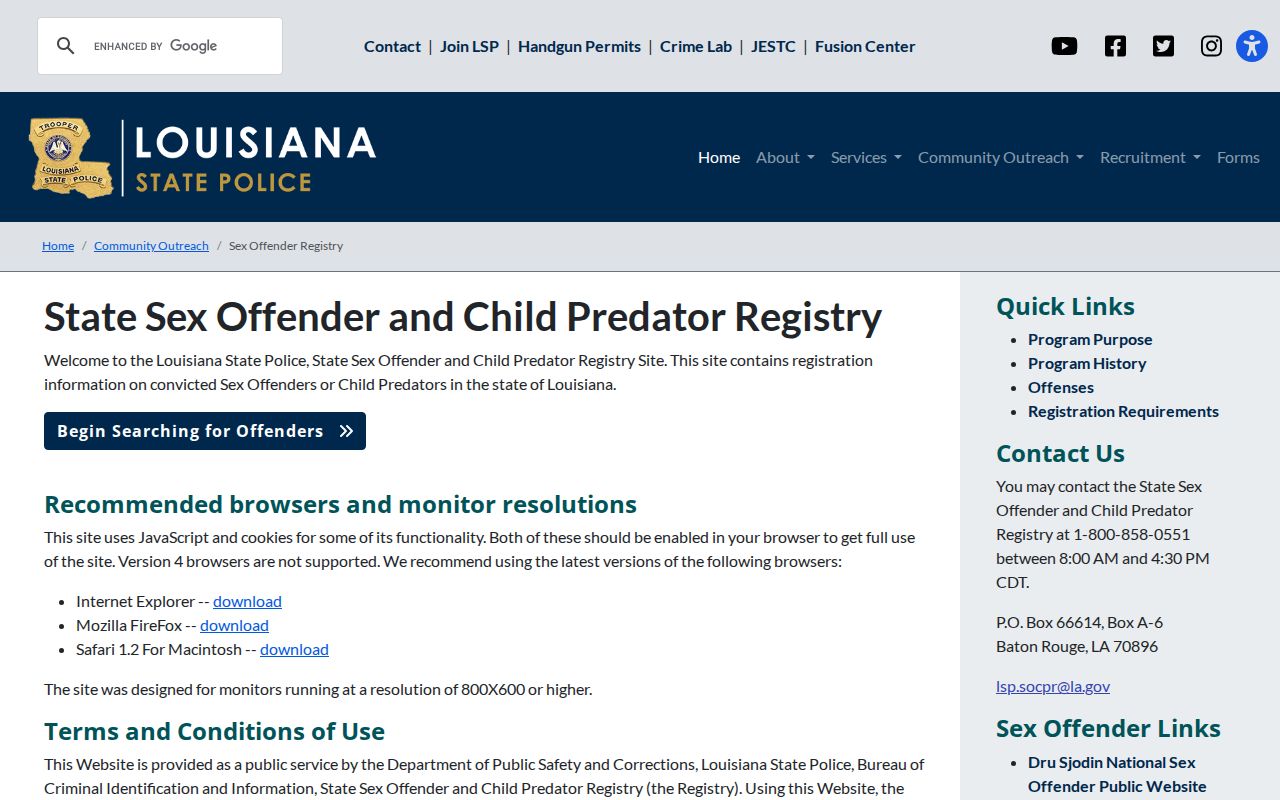
Those conditions explain the data limits and the legal bounds on use before a search begins.
Choose Rapides Parish Registry
Parish selection narrows the state service to records associated with Rapides Parish and reduces confusion with similar names or places. Searchers should still open the complete profile. A map pin or short result card does not show every statutory detail, and a listed residence cannot prove that a person is physically present when the map loads.
Use the area tool for neighborhood awareness, then compare stable identifiers on every relevant result. Email alerts can flag changes reported near an address. They are not guarantees of present location. Louisiana State Police warns that information received from courts, corrections agencies, and local law enforcement can be late, incomplete, or wrong.
How to Search the Louisiana State Sex Offender and Child Predator Registry
The public interface is free to enter. The vendor form blocked automated review during research, so users should read its current labels and validation messages rather than assume that a specific field is mandatory. The reliable path starts at Louisiana State Police and ends with verification at the source.
- Open the state registry and read the conditions. Select “I AGREE” only after reviewing the accuracy and misuse notices.
- Choose Rapides Parish. Use the live name or offender-area fields that the official form makes available.
- Review results without matching on a name alone. Compare the current photo, physical description, and displayed location.
- Open the complete profile. Read the offense, tier, status, agency, and verification details, then confirm a concern with the source agency.
| Field Label | Type | Required | Notes |
|---|---|---|---|
| Parish | Select | For local filter | Choose Rapides Parish before interpreting results. |
| Offender area | Location search | No | The state entry page confirms an area-search option. |
| Name or address | Live vendor fields | Check form | Exact requirements are controlled by the current interface. |
| Email alert address | Enrollment | For alerts | Registration and unsubscribe tools are separate. |
Rapides Parish Registry Coverage
The National Sex Offender Public Website is the official federal search layer across participating jurisdictions. It helps when a person may have moved across state lines or the relevant place is unknown. NSOPW does not replace the Rapides Parish and Louisiana checks. State and local agencies remain the sources that can explain a Louisiana listing, confirm its status, or receive an inaccuracy report.
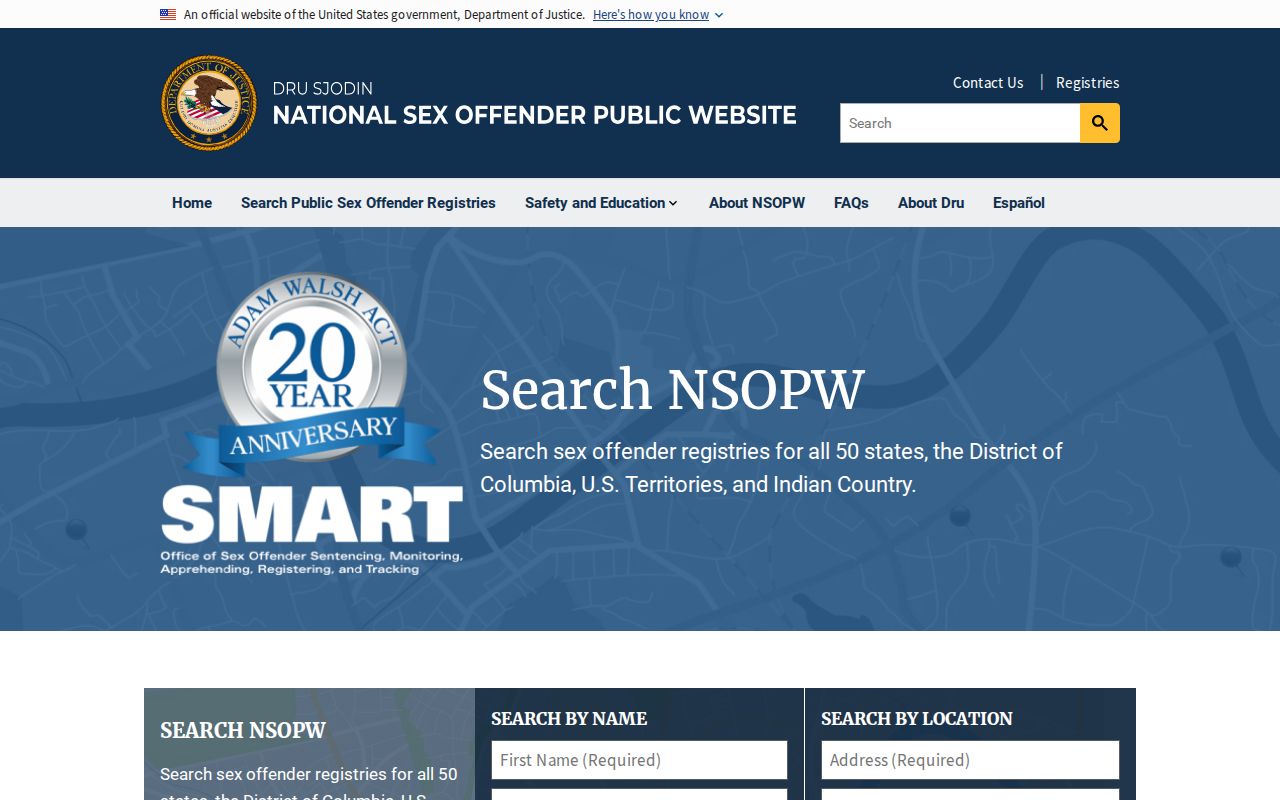
The national layer widens geographic coverage, while Louisiana supplies the local registration detail needed for a sound match.
Inside a Rapides Registry Profile
Louisiana law supports a detailed public inventory, although the exact vendor layout can change and not every field appears on each profile. A Rapides Parish registry record may combine identity, residence, offense, vehicle, travel, and verification data. It is not the full court case. Use several fields together to avoid a false match.
| Name & Aliases | Primary name and alternate names reported under registration law. |
|---|---|
| Photo & Description | Current photo, age or birth information, physical traits, and marks where displayed. |
| Registered Locations | Residence, work, and school data subject to public-display rules. |
| Offense & Statute | Conviction offense, legal citation, jurisdiction, date, and victim category where shown. |
| Tier & Duration | Tier category and registration period tied to that category. |
| Status & Agency | Registration status, responsible agency or parish, and verification data. |
The Louisiana statutory definitions explain the terms behind Rapides Parish registry fields.
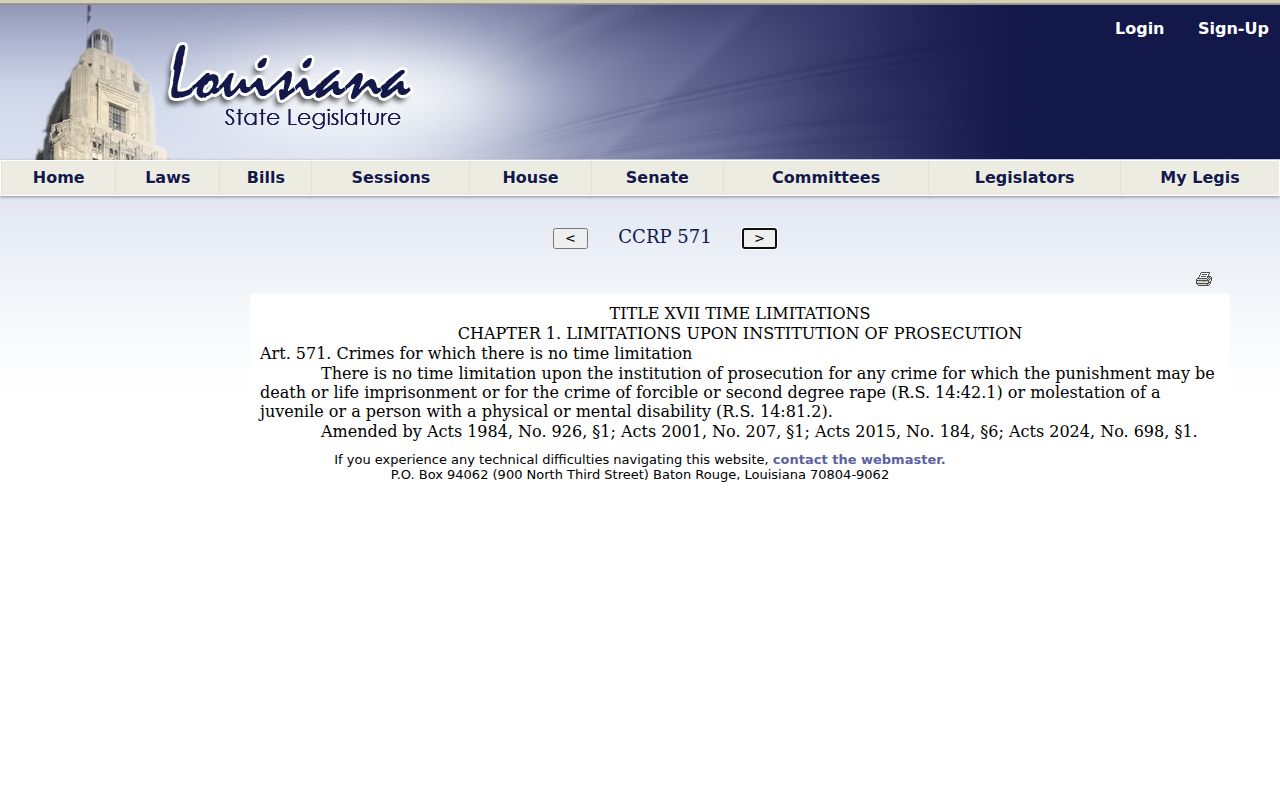
Reading the legal category with the profile keeps a tier label from being mistaken for a full account of the case.
When a Rapides Registry Looks Wrong
If a Rapides Parish listing appears wrong, record the public details that identify it and report the issue to the Registry. Do not confront the person or publish private speculation. The Registry hotline is 1-800-858-0551, staffed from 8:00 a.m. to 4:30 p.m. Central time. Mail may go to P.O. Box 66614, Box A-6, Baton Rouge, LA 70896.
The local registering agency can address information it submitted. Louisiana State Police can address the state display. A correction may require the source agency to update its own record first, so describe the disputed field with care and keep the date of the search.
Louisiana Registration Levels and Requirements
Louisiana uses three broad tier groupings. A registration clock generally begins on release, parole or probation, or conviction when there is no confinement. Actual duties can turn on the conviction, date, and current statute. The public profile and law therefore control the individual result.
| Level / Tier | Duration | Verification Frequency |
|---|---|---|
| Tier I / other qualifying offenses | 15 years | Annually |
| Tier II / sexual offense against a minor | 25 years | Semiannually |
| Tier III / aggravated and other lifetime categories | Lifetime | Quarterly |
The LSP tier and offense summary links offense categories with the three schedules.
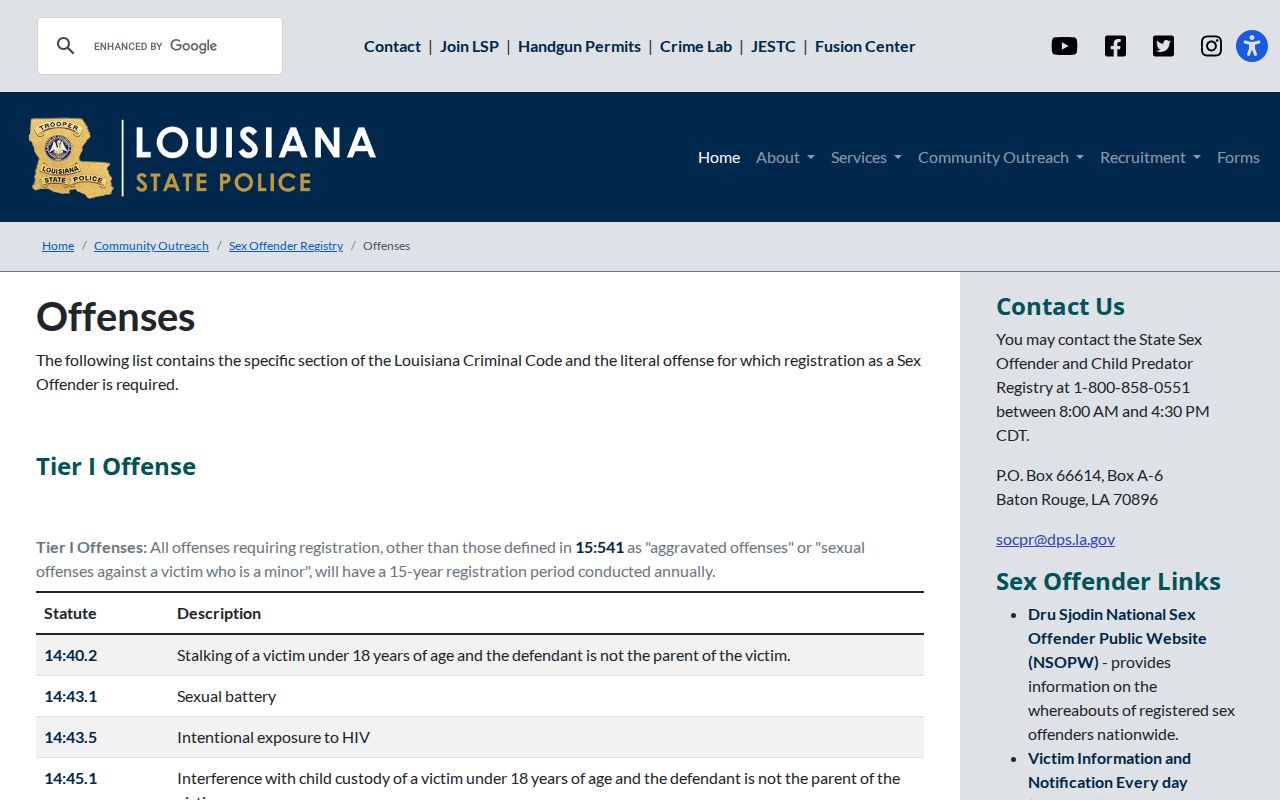
The summary is a sound first read, but the court record and current statute supply the legal detail behind one classification.
Rapides Offender Verification Cycles
Verification rises with the tier: annual for Tier I, twice each year for Tier II, and quarterly for Tier III. The schedule is a registration duty, not a promise that the public site changes the same day an agency receives new facts. Registration occurs through the sheriff and may also involve municipal police for an incorporated residence in Rapides Parish.
Louisiana Revised Statutes 15:544 sets registration duration and related rules.
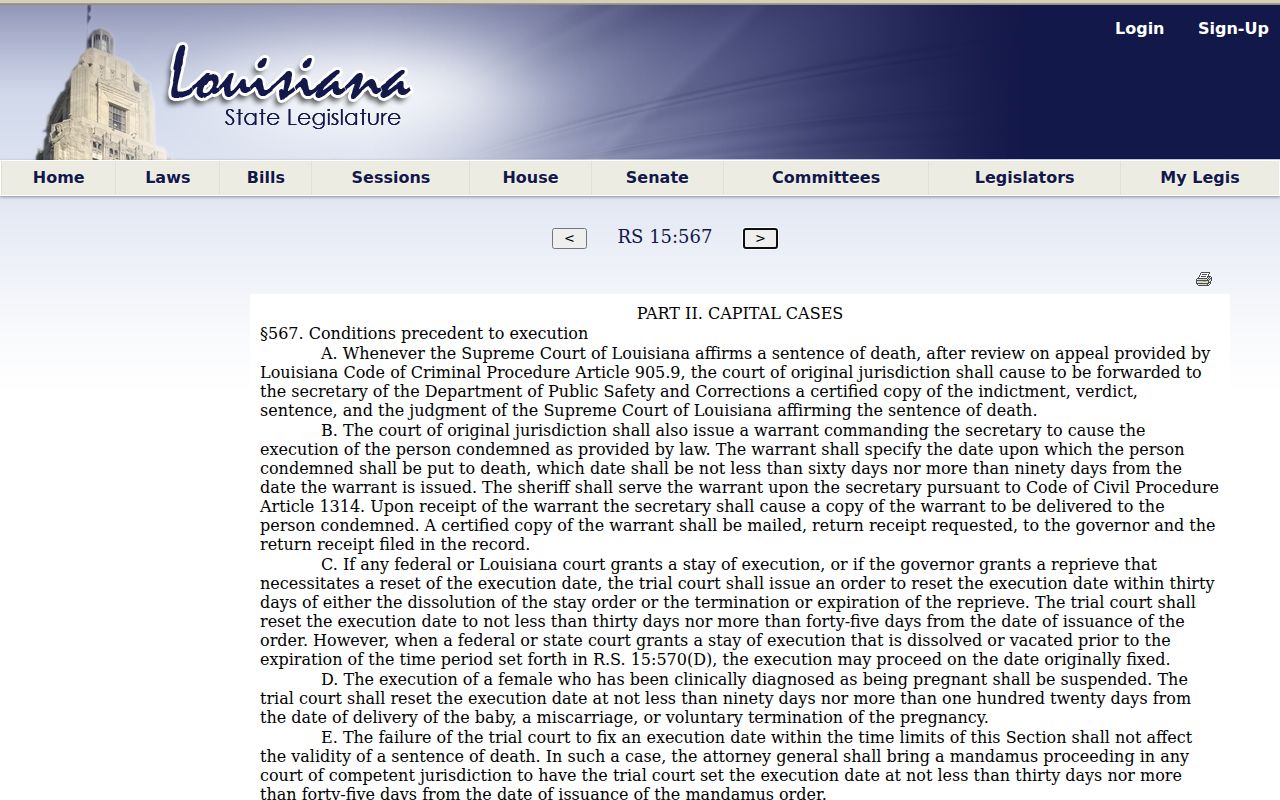
The statute explains why two Rapides Parish profiles can carry different end dates or reporting schedules while both remain public.
Rapides Offender Identifier Query
Louisiana Revised Statutes 15:542.1.5 requires a search function for a phone number, email address, or screen name. It can say whether an identifier is associated with a registrant without revealing that person’s identity. This narrow safety tool is not a general criminal-history search.
Identifiers can change hands. A positive or negative response should not be stretched beyond the result shown. Preserve the exact input and search date if a finding needs to be reported to an agency.
Community Notification and Lawful Use
Registry information supports personal, family, and neighborhood safety planning. Rapides Parish residents can use the state area search and enroll in email alerts. NSOPW adds a wider cross-state check. None of those channels authorizes confrontation, public shaming, or punishment. Read the conditions and verify material facts with the Registry or local agency.
Misuse can carry penalties. Threatening, intimidating, or harassing a registrant or the registrant’s family can lead to criminal prosecution or civil liability under Louisiana law. Registry data must not be used to deny housing, employment, or services except where law permits.